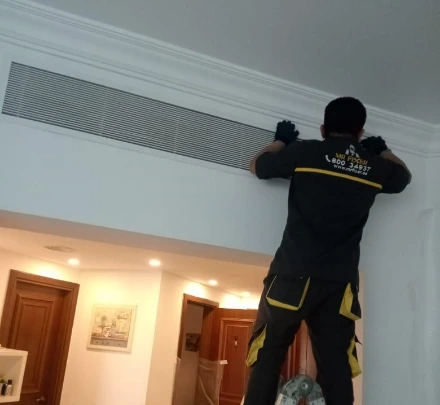
Air conditioners work hard to keep rooms cool during summer heat. Dust, pet dander, and debris block airflow inside metal vents daily. These particles settle deep inside ventilation systems, creating thick layers that restrict circulation.
Systems struggle against this buildup, forcing motors to work longer cycles. Airflow resistance creates extra strain, driving up energy bills. Keeping home environments comfortable requires clear pathways for air, which is why homeowners should consider AC duct cleaning in Dubai.
Airflow restriction causes strain
Blocked vents stop cold air from reaching rooms quickly. When debris clogs the path, air pressure drops, causing units to labor. Fans push against thick walls of dust instead of moving fresh air freely. This resistance forces internal parts to exert extra force, wearing down mechanical components early.
Layers of dust act as insulation
Layers of grime inside vents trap heat. Instead of cool air moving smoothly, heat stays inside the vents. This buildup acts like a heavy blanket over cooling coils. Coils remain warm, preventing the system from cooling air effectively. This cycle wastes energy as the unit ignores set temperature goals.
Dirt impacts indoor air quality
Air circulating inside a room passes over collected dust. Particles become airborne, spreading allergens across every corner. Filters struggle to catch everything. Breathing becomes harder when constant cycles distribute gray soot into living spaces. Clean vents keep lungs happy and surfaces free from constant gray layers of grime.
Mold growth adds complications
Moisture inside dark vents encourages mold development. Wet dust clumps together, becoming a breeding ground for spores. Spores spread into rooms, creating stale smells. Mold creates health risks that linger inside a home. Regular maintenance removes damp debris, stopping mold from gaining a foothold.
Thermostat inaccuracies occur
Sensors rely on steady airflow to read room conditions. Blocked vents provide false readings, confusing the thermostat. Systems kick on and off repeatedly, creating uneven temperatures. Rooms stay warm while the machine cycles constantly, ignoring the actual need for relief. Steady flow gives sensors the data required for precise cooling.
System life span decreases
Mechanical stress from clogs reduces longevity. Parts break due to consistent overheating. Replacing a cooling unit costs significant funds compared to simple maintenance. Clear pathways extend the functional period of cooling hardware. Removing debris saves money while keeping a house chilled throughout summer.